The Solar Eclipse and Lost Curiosity
A 90% solar eclipse passed over the UK, and honestly, I was appalled at how many people called it underwhelming.
My fellow human, it was a 90% solar eclipse.
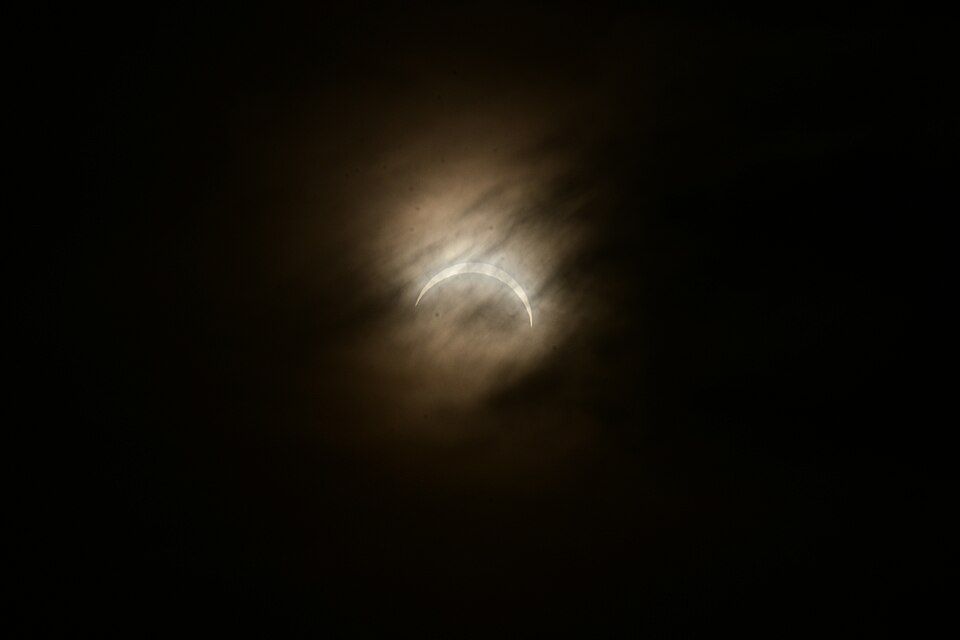
Even if you take it completely secularly, it is still incredible.
Most of the sun was covered and there was still light. Still heat. The world did not fall into darkness. But it did get a bit colder and darker, just enough to remind you that the sun is not background decoration. It is doing work every second.
And the geometry is mad. The moon is tiny compared to the sun, but from where we are, it can line up and cover it. The distance, the size, the timing. All of that just casually happening above us.
Then you look at the total eclipse in Spain and it gets even harder to understand the complaints. That ring of light is not just a pretty photo. It is a reminder that we live inside a system of bodies moving with ridiculous precision.
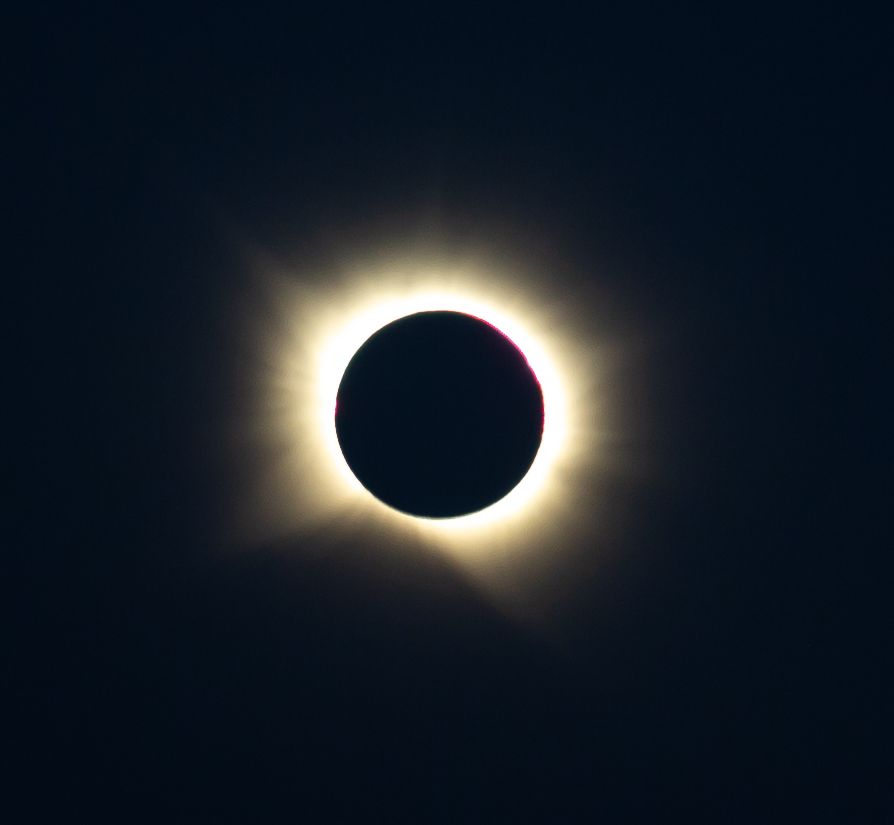
Have people lost their curiosity? Their drive for knowledge? How do you look at a 90% eclipse and your first reaction is, "Yeah, bit boring"?
Indeed, people are blind and do not want to see.
But to be fair, not everyone was like that. People queued for eclipse glasses. People made little safe viewers out of cereal boxes and cardboard. That is amazing. That is curiosity. That is someone seeing a thing in the sky and thinking, "How do I observe this safely? How does this work? Can I make something myself?"
Those makeshift viewers are not childish. They are science in its most human form: simple materials, a question, and the desire to see properly. A cereal box becoming a tool for astronomy is beautiful.
At the same time, I do sympathise. How can people appreciate the heavens when their bills are not being paid? How can people look up when their needs are not being met down here? Awe becomes a luxury when you are constantly trying to survive.
That is what makes it worse. The eclipse exposed more than the moon crossing the sun. It exposed how disconnected we are from wonder, and how brutally practical life has become for so many people.
This is really just a rant, and I know it exposes a bit of my political, theological, and social beliefs. Those posts will come soon.
For now, I just cannot shake the thought: something amazing happened in the sky, and too many people looked up only to complain.
- ← Previous
Rebase-based Git Workflow